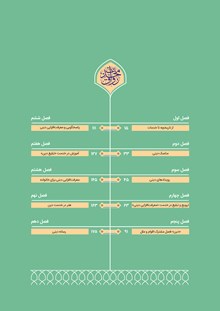

عناوین صفحه
مطالب برگزیده

ما را دنبال کنید





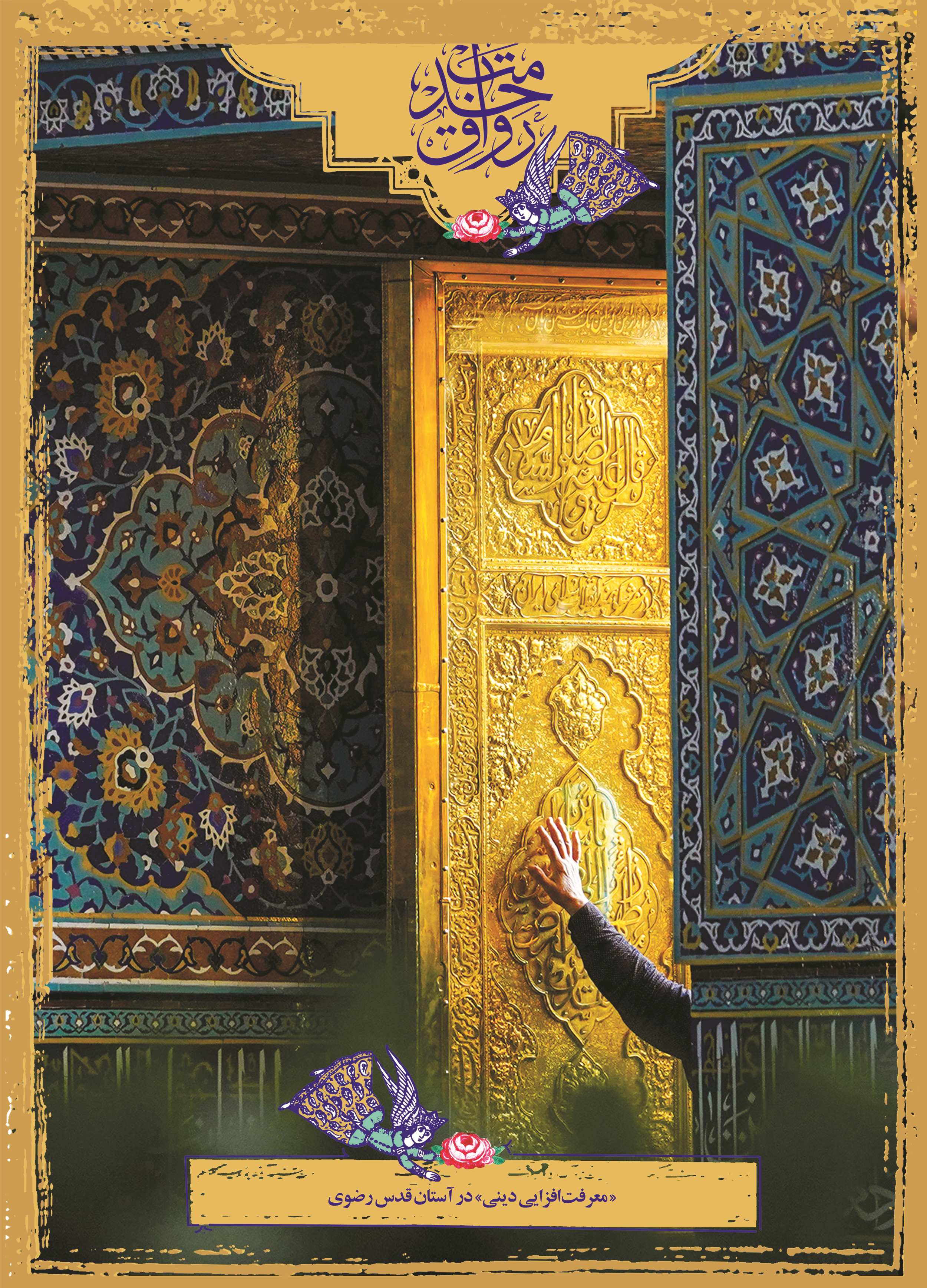
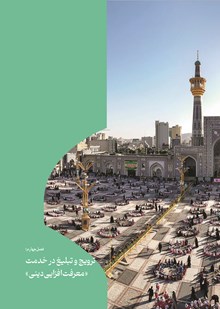
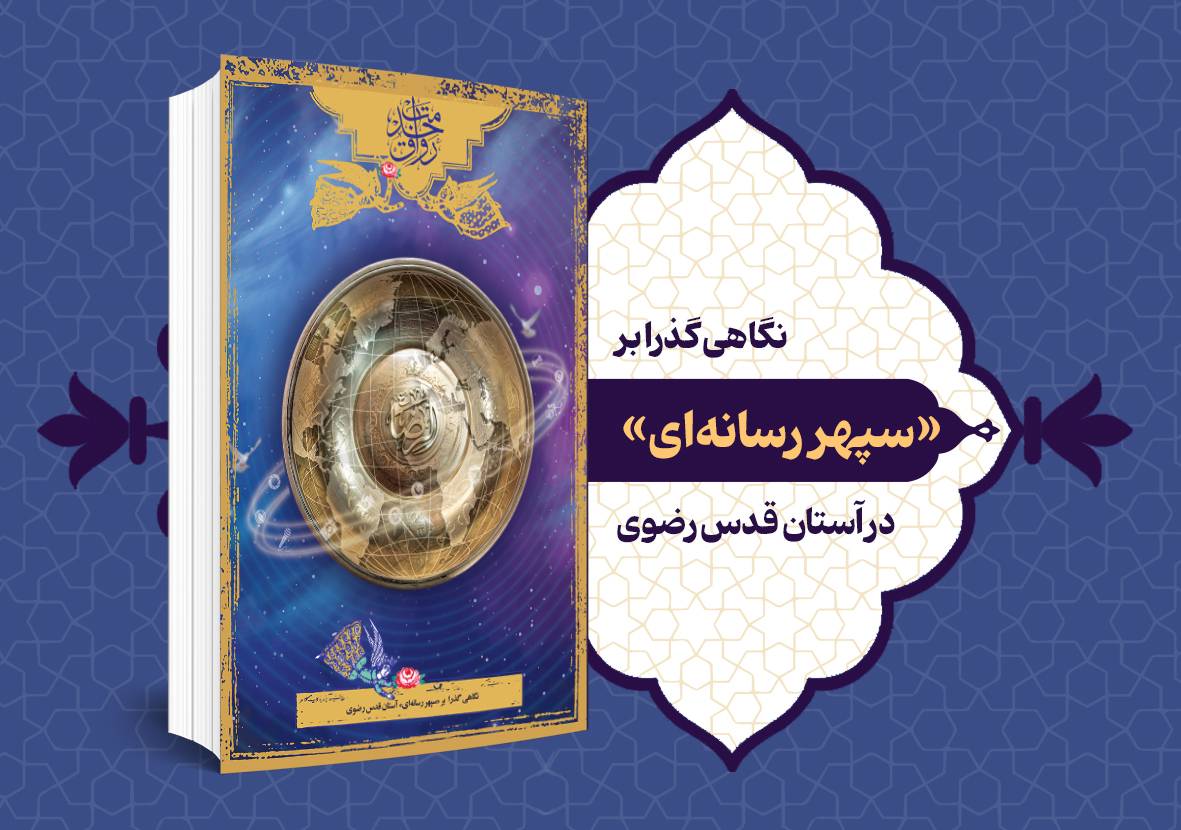
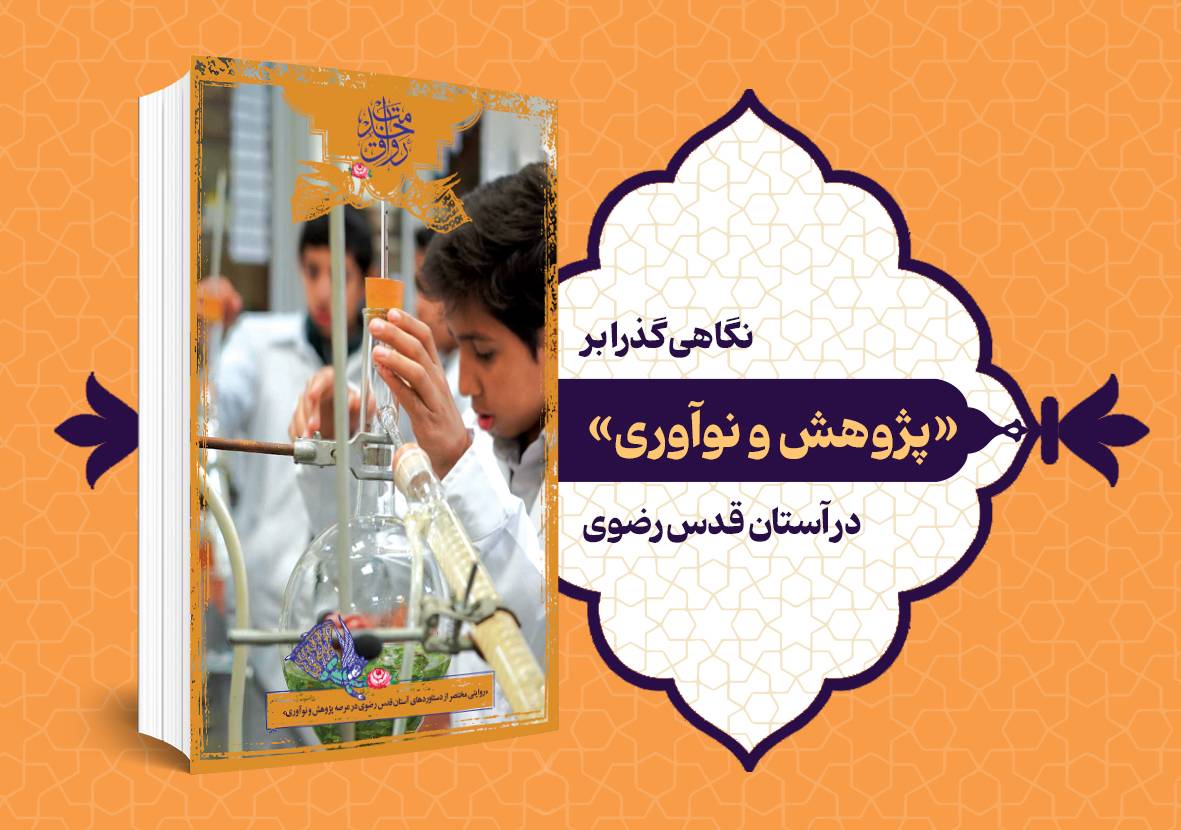
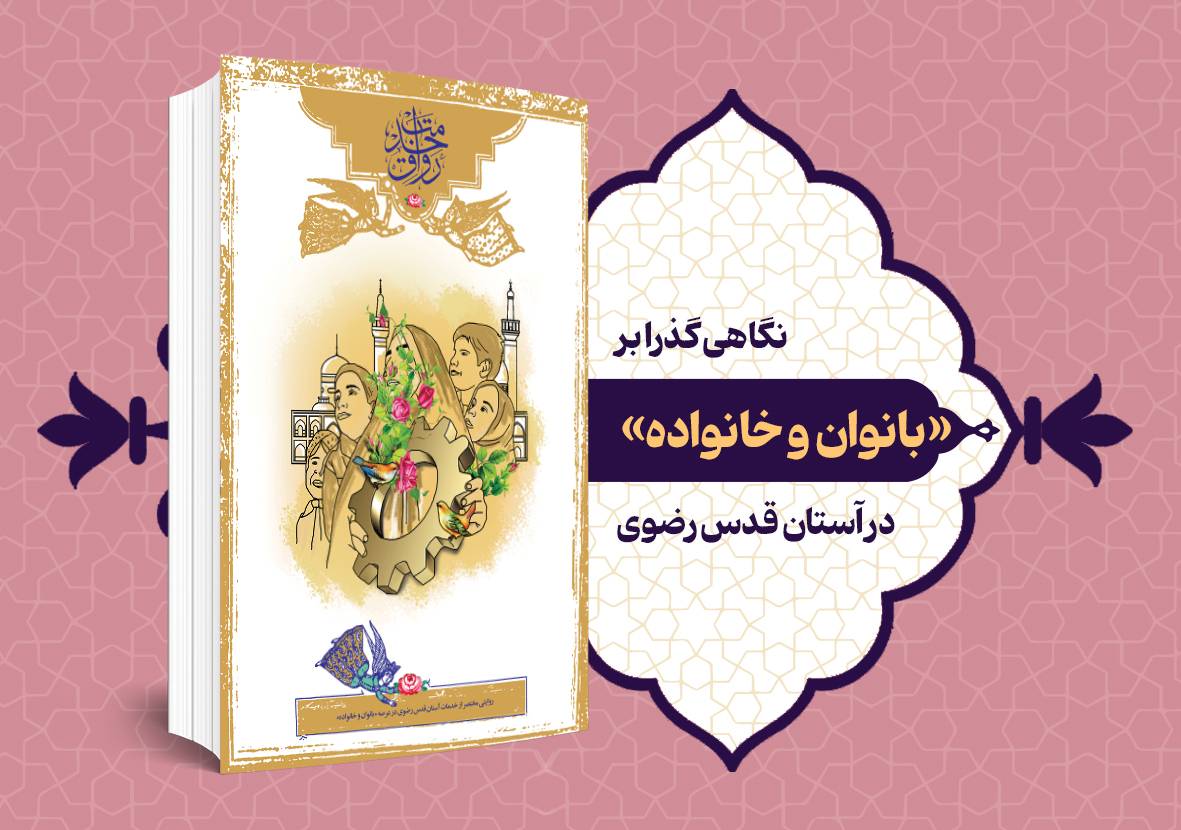
Ravaq-e Khedmat: “Religious Outreach”
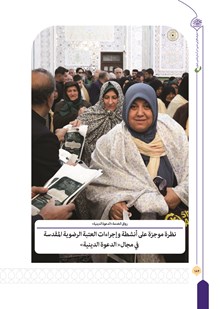
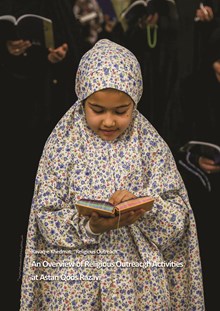
An Overview of Religious Outreacgh Activities at Astan Qods Razavi
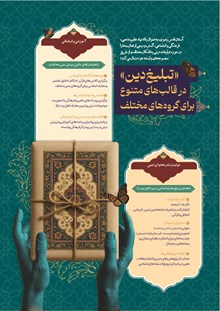
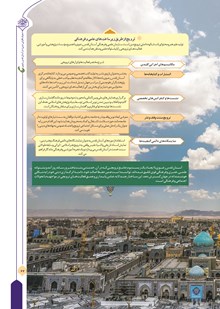
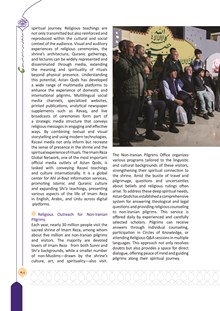
Religious outreach goes beyond predefined formats and programs; it represents the evolving relationship between religious institutions and a changing society. This periodical is an attempt to narrate that relationship—an account of what is currently being practiced under the title of “religious outreach” within Astan Qods Razavi (AQR). The work before you presents a comprehensive perspective on the concept of religious promotion, extending beyond traditional methods and familiar frameworks.
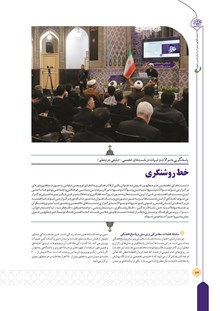
This issue of the Ravaq-e Khedmat series focuses on the religious promotional activities of Astan Qods Razavi and seeks to present a coherent picture of initiatives that promote religious teachings, strengthen pilgrims’ spiritual identity, and foster meaningful engagement between religion and contemporary society. In this approach, religious outreach extends beyond sermons, lectures, and ceremonial rituals to include any meaningful action that offers lived religious experience, indirect education, dialogue, spiritual storytelling, and cultural companionship.
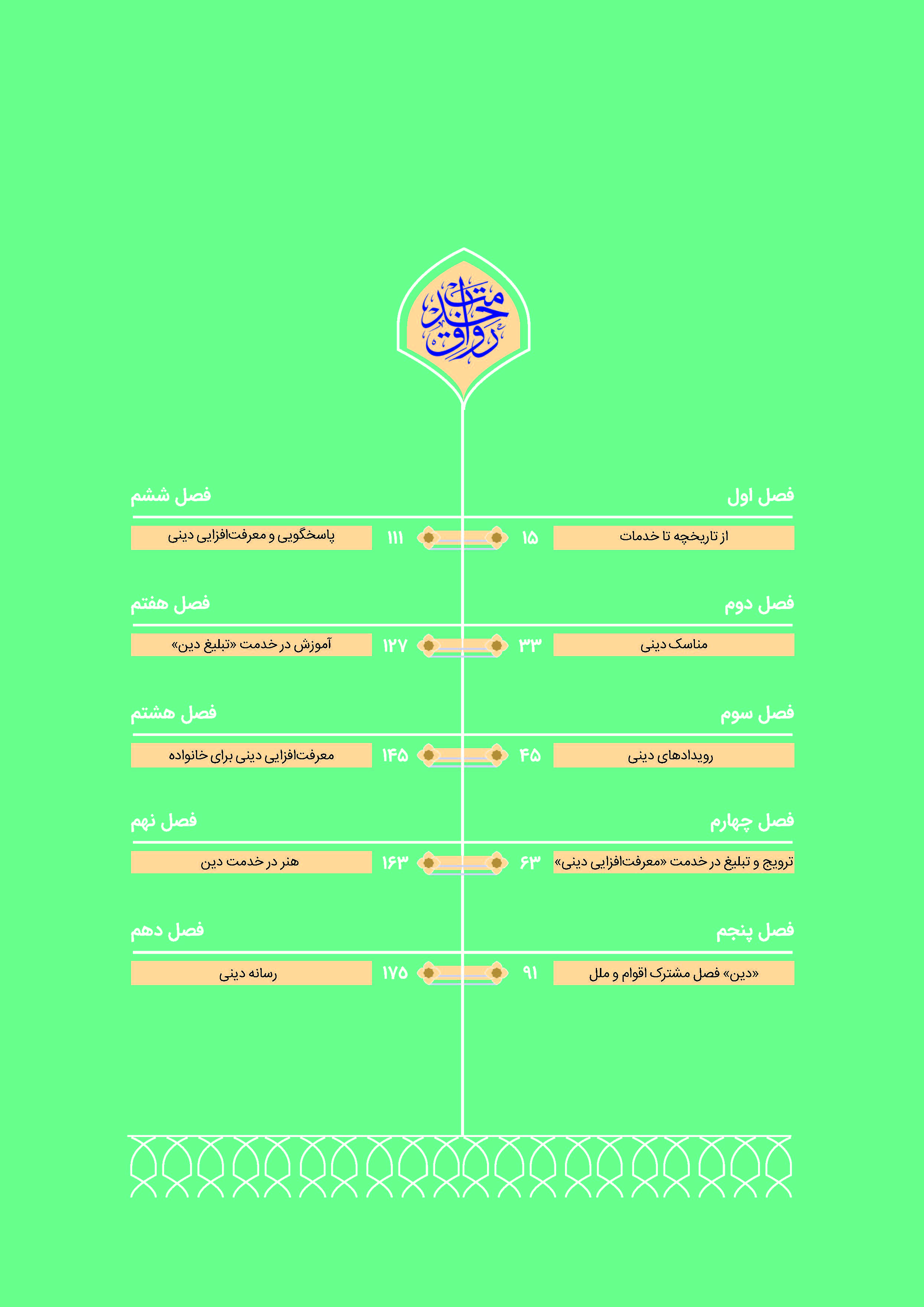
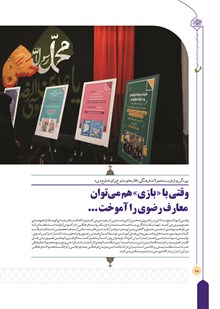
Accordingly, this periodical seeks to represent a diverse spectrum of promotional activities carried out by Astan Qods Razavi and Imam Reza shrine across various formats—media, educational, artistic, ritual, intenational, and community-based. The summary before you aims to provide a concise, clear, and transferable overview of these activities. It introduces the main sections and briefly explains their content, offering a general view of the scope and diversity of religious outreach efforts at Astan Qods Razavi.
Historical Foundations of Religious Outreach at Imam Reza Shrine
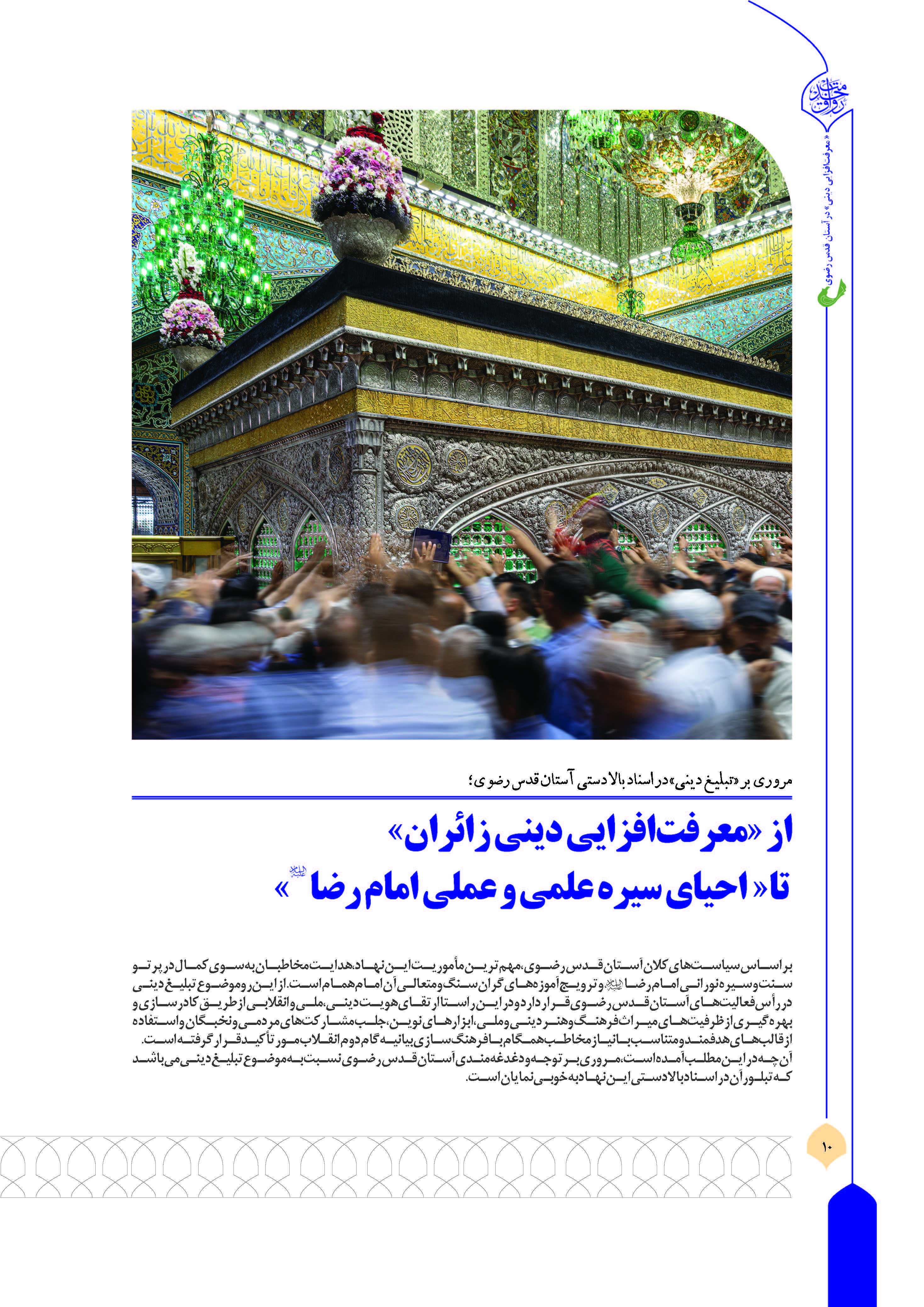
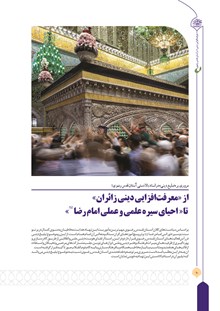
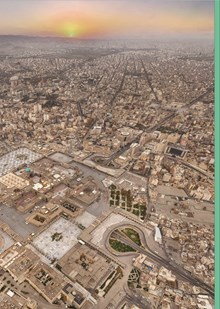
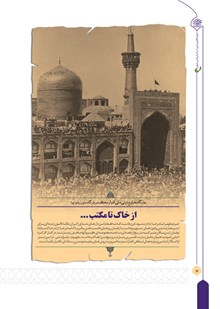
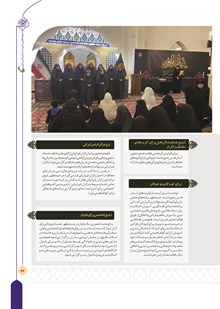
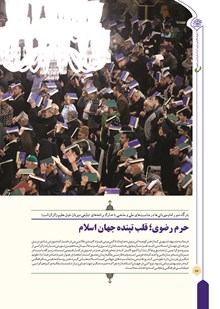
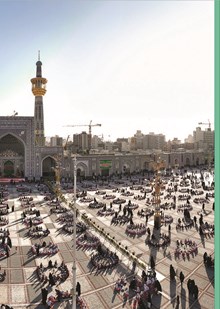
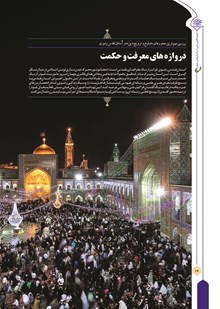
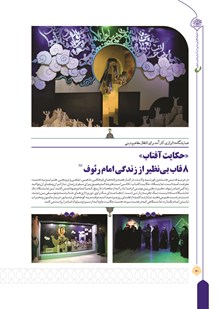
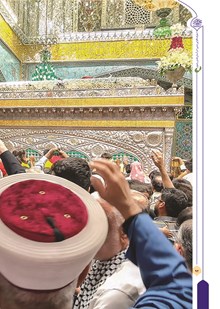
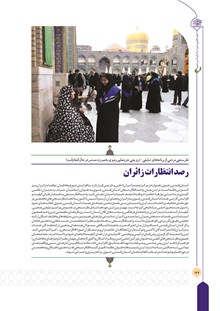
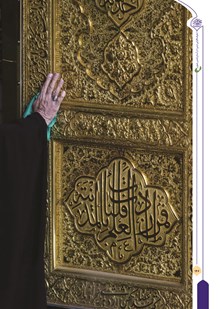
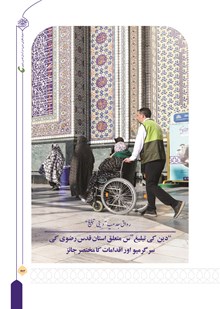
For centuries, Imam Reza shrine in Mashhad (northeast Iran) has been not only a sanctuary for pilgrims and residents but also a vibrant center for disseminating religious teachings and Shi‘a doctrine. From the earliest days following the burial of Imam Reza, religious outreach began in this sacred place—ranging from oral transmission of miracles and virtues of the Ahl al-Bayt to inscriptions and stone carvings within the shrine.
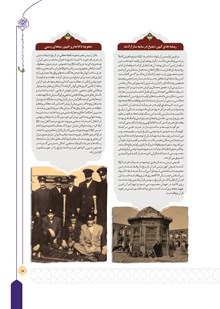
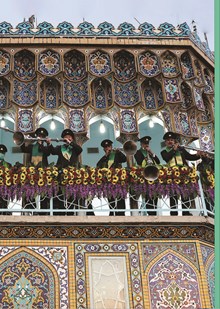
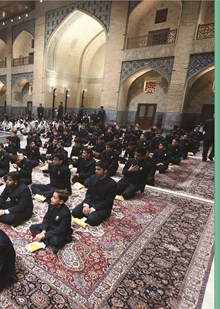
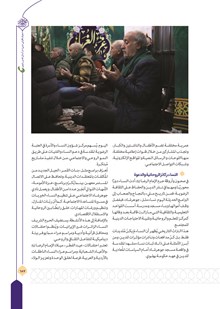
As the shrine’s courtyards, halls, and structures expanded—and with the participation of the public through donations and endowments—these activities gradually became more organized and consistently played a central role in the spiritual formation of pilgrims During the Safavid to Qajar periods, the establishment of Shi‘ism as the official religion and the architectural development of the shrine expanded religious outreach through the grandeur of buildings, tilework, mirrorwork, and Islamic motifs. At the same time, preaching gatherings and mouning assemblies in the courtyards and halls, the publication of religious texts, and the use of printing technology broadened the reach of religious promotion and led to more structured educational and cultural activities. This evolution paved the way for the formation of formal outreach institutions within the shrine and strengthened the long-standing tradition of spiritual education.
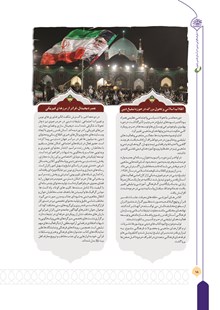
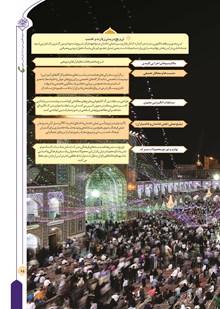
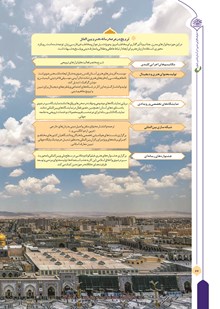
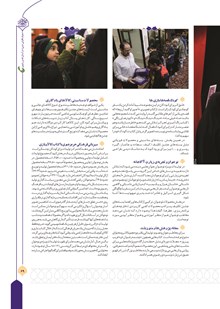
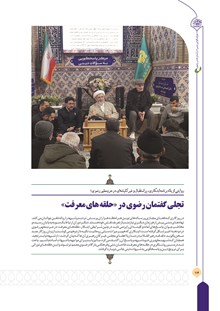
After the 1979 Islamic Revolution, Astan Qods Razavi transformed the shrine into a cultural, educational, and promotional hub, organizing and expanding religious outreach activities. Classes and educational circles on the Quran, jurisprudence, ethics, and teachings of the Ahl al-Bayt were held for various groups of pilgrims and residents. Institutions such as the Deputy for Islamic Ideology Dissemination and the Cultural Organization of Astan Qods assumed central roles in this field. The widespread publication of books, brochures, and cultural products, the establishment of
This issue of the Ravaq-e Khedmat series focuses on the religious promotional activities of Astan Qods Razavi and seeks to present a coherent picture of initiatives that promote religious teachings, strengthen pilgrims’ spiritual identity, and foster meaningful engagement between religion and contemporary society. In this approach, religious outreach extends beyond sermons, lectures, and ceremonial rituals to include any meaningful action that offers lived religious experience, indirect education, dialogue, spiritual storytelling, and cultural companionship.
Accordingly, this periodical seeks to represent a diverse spectrum of promotional activities carried out by Astan Qods Razavi and Imam Reza shrine across various formats—media, educational, artistic, ritual, intenational, and community-based. The summary before you aims to provide a concise, clear, and transferable overview of these activities. It introduces the main sections and briefly explains their content, offering a general view of the scope and diversity of religious outreach efforts at Astan Qods Razavi.
Historical Foundations of Religious Outreach at Imam Reza Shrine
For centuries, Imam Reza shrine in Mashhad (northeast Iran) has been not only a sanctuary for pilgrims and residents but also a vibrant center for disseminating religious teachings and Shi‘a doctrine. From the earliest days following the burial of Imam Reza, religious outreach began in this sacred place—ranging from oral transmission of miracles and virtues of the Ahl al-Bayt to inscriptions and stone carvings within the shrine.
As the shrine’s courtyards, halls, and structures expanded—and with the participation of the public through donations and endowments—these activities gradually became more organized and consistently played a central role in the spiritual formation of pilgrims During the Safavid to Qajar periods, the establishment of Shi‘ism as the official religion and the architectural development of the shrine expanded religious outreach through the grandeur of buildings, tilework, mirrorwork, and Islamic motifs. At the same time, preaching gatherings and mouning assemblies in the courtyards and halls, the publication of religious texts, and the use of printing technology broadened the reach of religious promotion and led to more structured educational and cultural activities. This evolution paved the way for the formation of formal outreach institutions within the shrine and strengthened the long-standing tradition of spiritual education.
After the 1979 Islamic Revolution, Astan Qods Razavi transformed the shrine into a cultural, educational, and promotional hub, organizing and expanding religious outreach activities. Classes and educational circles on the Quran, jurisprudence, ethics, and teachings of the Ahl al-Bayt were held for various groups of pilgrims and residents. Institutions such as the Deputy for Islamic Ideology Dissemination and the Cultural Organization of Astan Qods assumed central roles in this field. The widespread publication of books, brochures, and cultural products, the establishment of
10 صفحه آخر