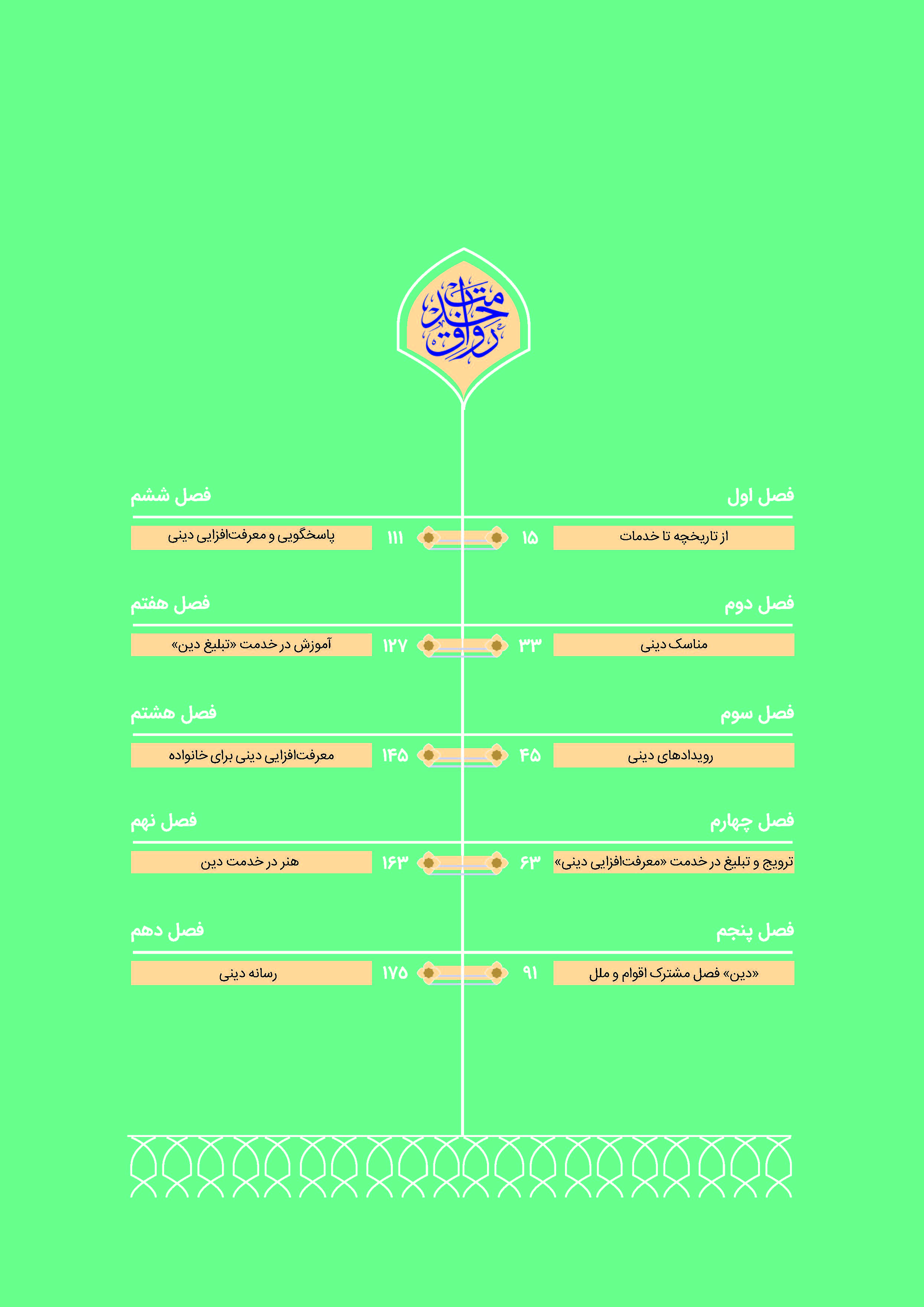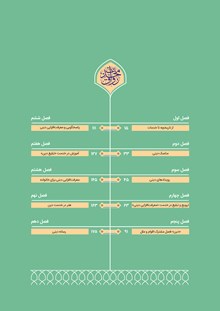

عناوین صفحه
مطالب برگزیده

ما را دنبال کنید





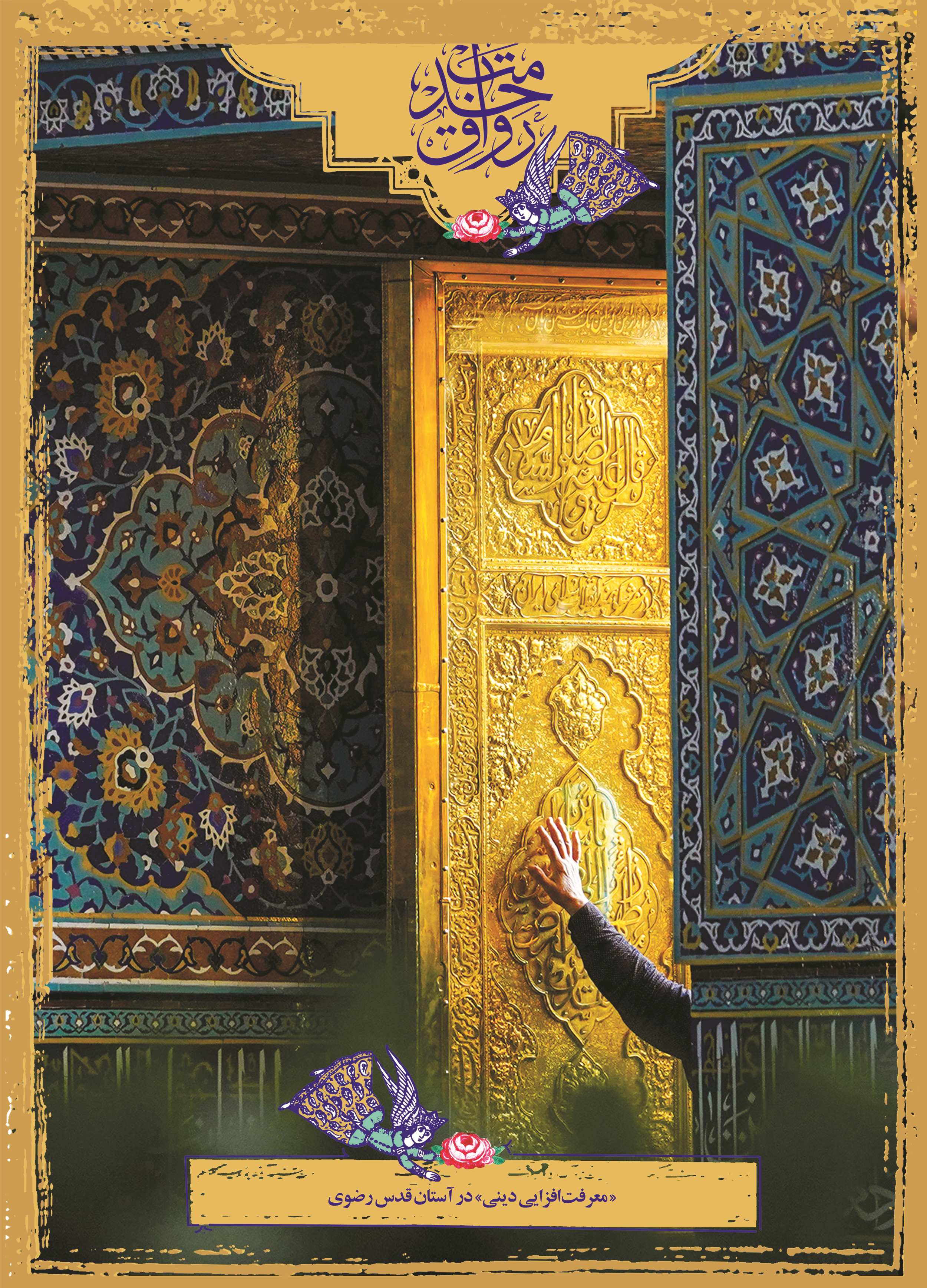
Ravaq-e Khedmat: “Religious Outreach”
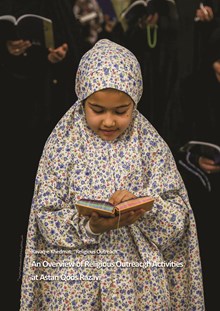
An Overview of Religious Outreacgh Activities at Astan Qods Razavi
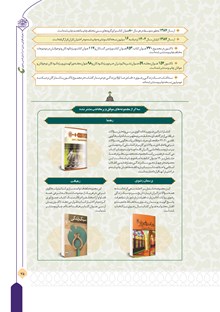
life, and pilgrimage, and the Rahyaft series for empowering religious instructors, are among its successful outputs. In addition to book printing, promoting reading culture through competitions is another major initiative. These competitions, launched in 2007, have become one of the most effective methods of transmitting religious knowledge, with a 14-stage process for content creation, distribution, response collection, and announcing results. They are held for children, teenagers, and adults, and attract participants through posters, SMS, websites, and social media.
Women as Pillars of Spiritual and Cultural Outreach
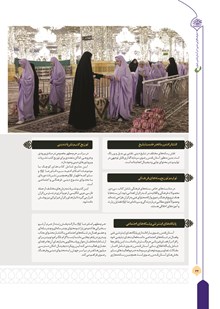
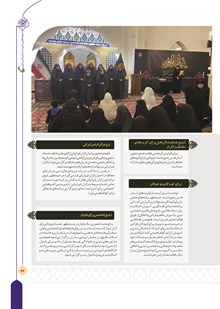
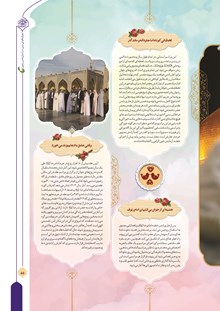
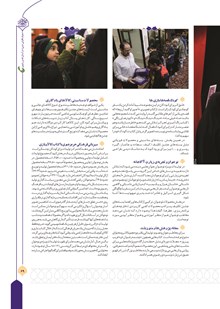
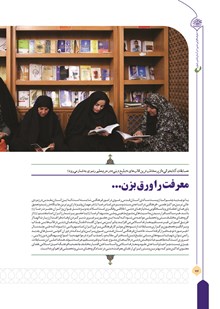
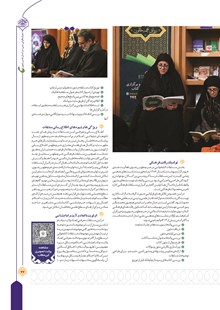
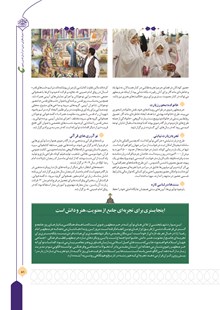
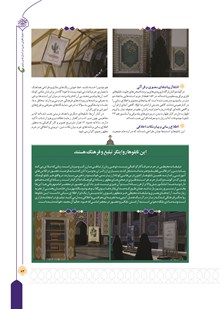
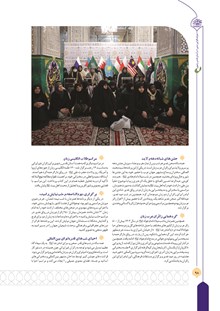
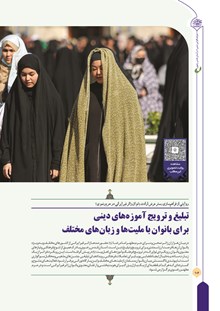
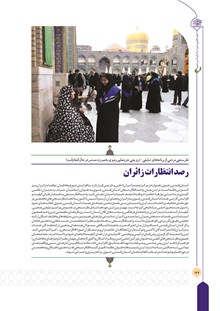
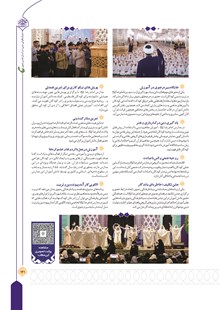
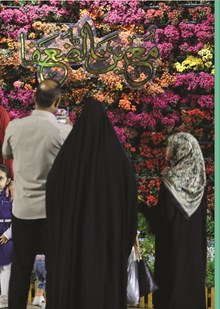
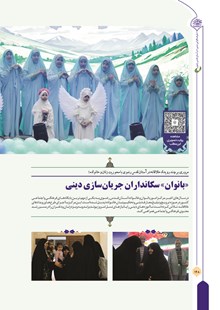
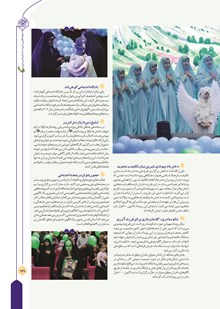
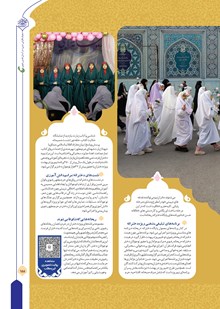
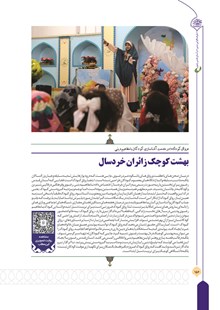
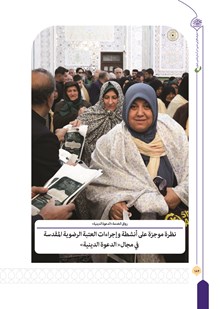
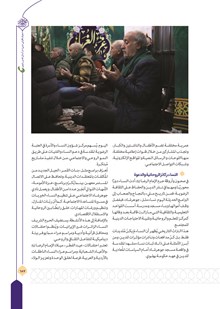
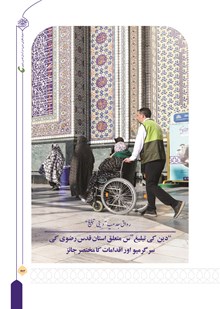
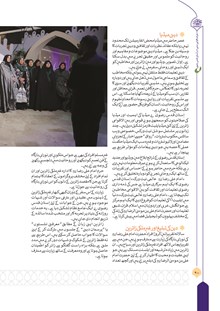
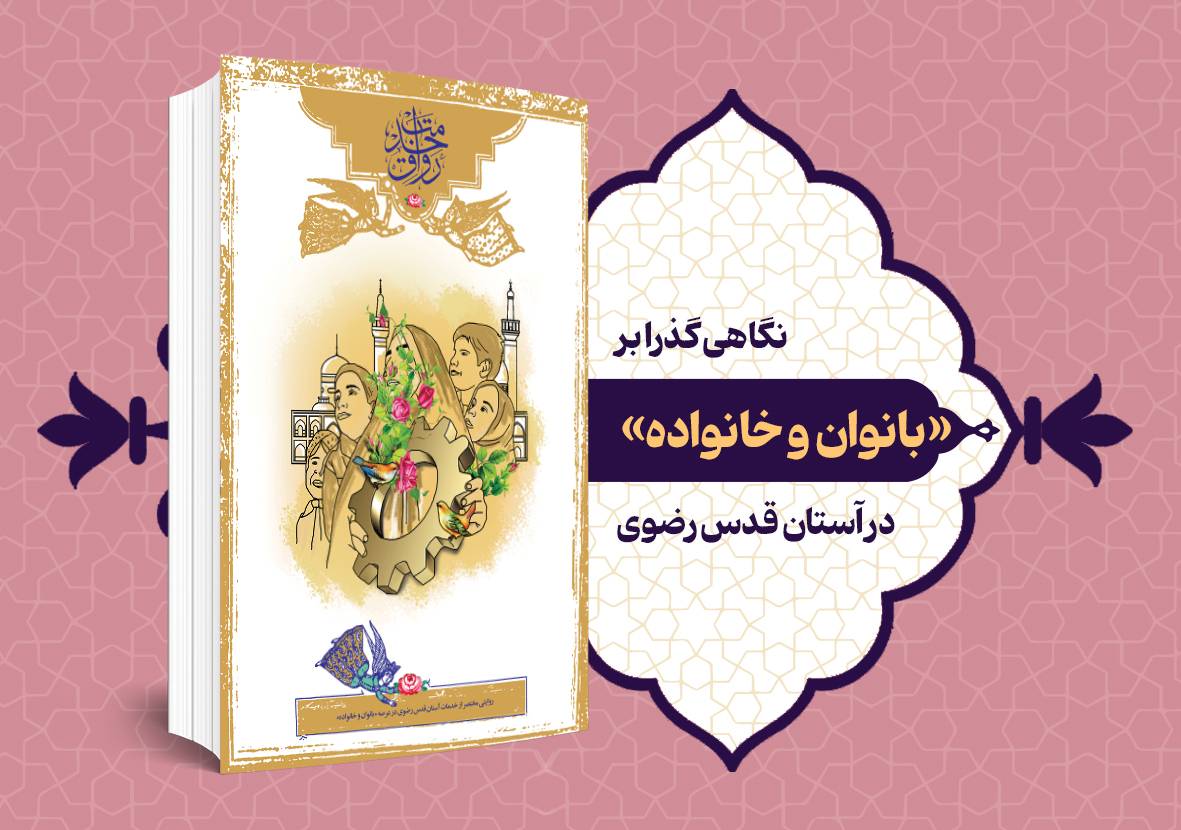
Throughout the history of Imam Reza shrine, women have played a vital role in promoting religion and preserving Imam Reza’s culture—from the past to the present. Women such as Goharshad Begum, through endowments and construction of mosques and schools, laid educational and cultural foundations that have remained centers of knowledge and spirituality for centuries. This legacy shows that women have not only followed religion but actively defended and promoted it, as seen in the resistance of women from Mashhad during the Goharshad Mosque uprising against anti-religious policies of the Pahlavi regime. Today, the Women and Family Affairs Center of Astan Qods supports women and girls through innovative programs. Initiatives such as Daughters of the Moon introduce newly-matured girls to religious teachings, The Splendor of Motherhood honors mothers of large families, and the Goharshad Social Club organizes charitable women for community support. Empowerment programs for female heads of households and skill-building workshops connect spirituality with economic independence. The shrine also hosts non-Iranian women pilgrims, offering celebrations, Quranic gatherings, literary events, and mouning ceremonies. Events such as Eid al-Fitr, the birth of Imam Reza, Sha‘baniyyah festivals, and mouning ceremonies for Urdu- and Arabic-speaking women foster unity and devotion. Quran memorization contests, Ghadir sermon recitation, and programs on the model of Hazrat Fatima further strengthen religious identity. Together, these historical and moden efforts highlight the essential role of women in the shrine: today’s Muslim woman, with faith, knowledge, and social engagement, builds not only a strong family but a vibrant, spiritual community rooted in Razavi heritage.
Nurturing the Next Generation of Pilgrims
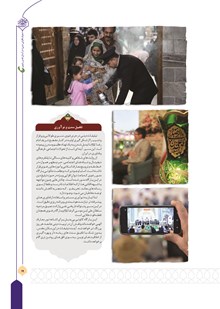
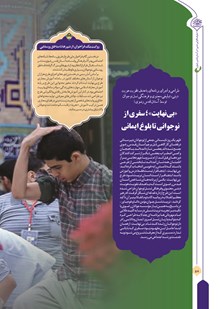
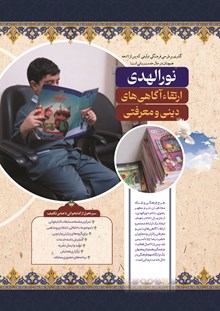
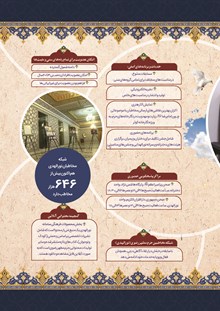
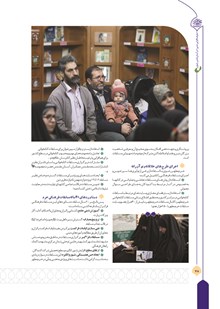
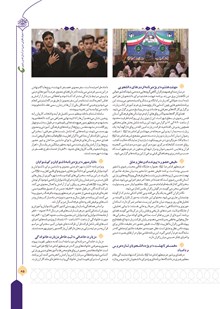
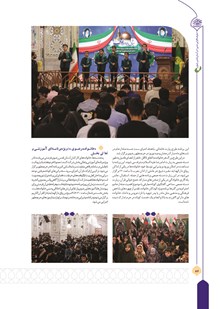
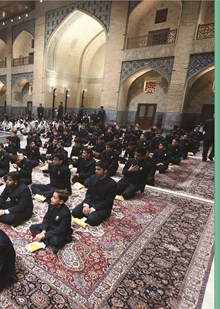
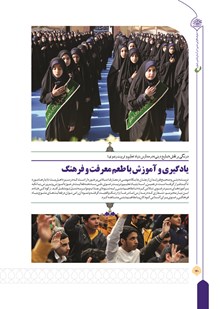
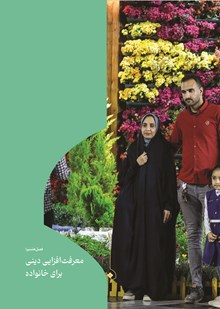
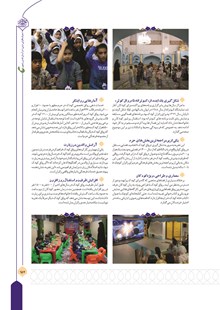
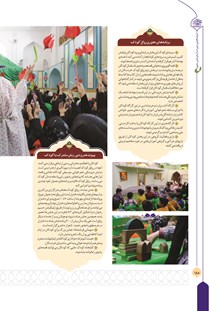
Imam Reza shrine is not only a place of pilgrimage for adults; it is a rich and dynamic environment for nurturing children and teenagers from across Iran and the world. Each year, about three million child pilgrims visit the shrine, and Astan Qods Razavi provides dedicated spaces and diverse programs that combine religious education with play and entertainment. The Kabootaraneh complex and the children’s hall offer safe, structured environments for leaning about pilgrimage, prayer, and the Imams. The Noor al-Huda cultural network, launched in 2003, has introduced generations of children and teenagers to religious teachings through reading competitions, coming-of-age celebrations, art exhibitions, and in-person activities. With over 646,000 active members of all ages and nationalities, it fosters a sense of belonging to the shrine. Programs for girls (Reyhaneh-ha-ye Razavi) and boys (Abna’ al-Reza) provide specialized spaces for identity and spiritual development. Girls lean social and religious skills through workshops, artistic activities, and gatherings, while boys participate in student groups, short camps, coming-of-age celebrations, and
Women as Pillars of Spiritual and Cultural Outreach
Throughout the history of Imam Reza shrine, women have played a vital role in promoting religion and preserving Imam Reza’s culture—from the past to the present. Women such as Goharshad Begum, through endowments and construction of mosques and schools, laid educational and cultural foundations that have remained centers of knowledge and spirituality for centuries. This legacy shows that women have not only followed religion but actively defended and promoted it, as seen in the resistance of women from Mashhad during the Goharshad Mosque uprising against anti-religious policies of the Pahlavi regime. Today, the Women and Family Affairs Center of Astan Qods supports women and girls through innovative programs. Initiatives such as Daughters of the Moon introduce newly-matured girls to religious teachings, The Splendor of Motherhood honors mothers of large families, and the Goharshad Social Club organizes charitable women for community support. Empowerment programs for female heads of households and skill-building workshops connect spirituality with economic independence. The shrine also hosts non-Iranian women pilgrims, offering celebrations, Quranic gatherings, literary events, and mouning ceremonies. Events such as Eid al-Fitr, the birth of Imam Reza, Sha‘baniyyah festivals, and mouning ceremonies for Urdu- and Arabic-speaking women foster unity and devotion. Quran memorization contests, Ghadir sermon recitation, and programs on the model of Hazrat Fatima further strengthen religious identity. Together, these historical and moden efforts highlight the essential role of women in the shrine: today’s Muslim woman, with faith, knowledge, and social engagement, builds not only a strong family but a vibrant, spiritual community rooted in Razavi heritage.
Nurturing the Next Generation of Pilgrims
Imam Reza shrine is not only a place of pilgrimage for adults; it is a rich and dynamic environment for nurturing children and teenagers from across Iran and the world. Each year, about three million child pilgrims visit the shrine, and Astan Qods Razavi provides dedicated spaces and diverse programs that combine religious education with play and entertainment. The Kabootaraneh complex and the children’s hall offer safe, structured environments for leaning about pilgrimage, prayer, and the Imams. The Noor al-Huda cultural network, launched in 2003, has introduced generations of children and teenagers to religious teachings through reading competitions, coming-of-age celebrations, art exhibitions, and in-person activities. With over 646,000 active members of all ages and nationalities, it fosters a sense of belonging to the shrine. Programs for girls (Reyhaneh-ha-ye Razavi) and boys (Abna’ al-Reza) provide specialized spaces for identity and spiritual development. Girls lean social and religious skills through workshops, artistic activities, and gatherings, while boys participate in student groups, short camps, coming-of-age celebrations, and
10 صفحه آخر