
عناوین صفحه
مطالب برگزیده

ما را دنبال کنید





Ravaq-e Khedmat: “Religious Outreach”
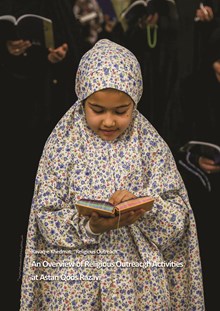
An Overview of Religious Outreacgh Activities at Astan Qods Razavi
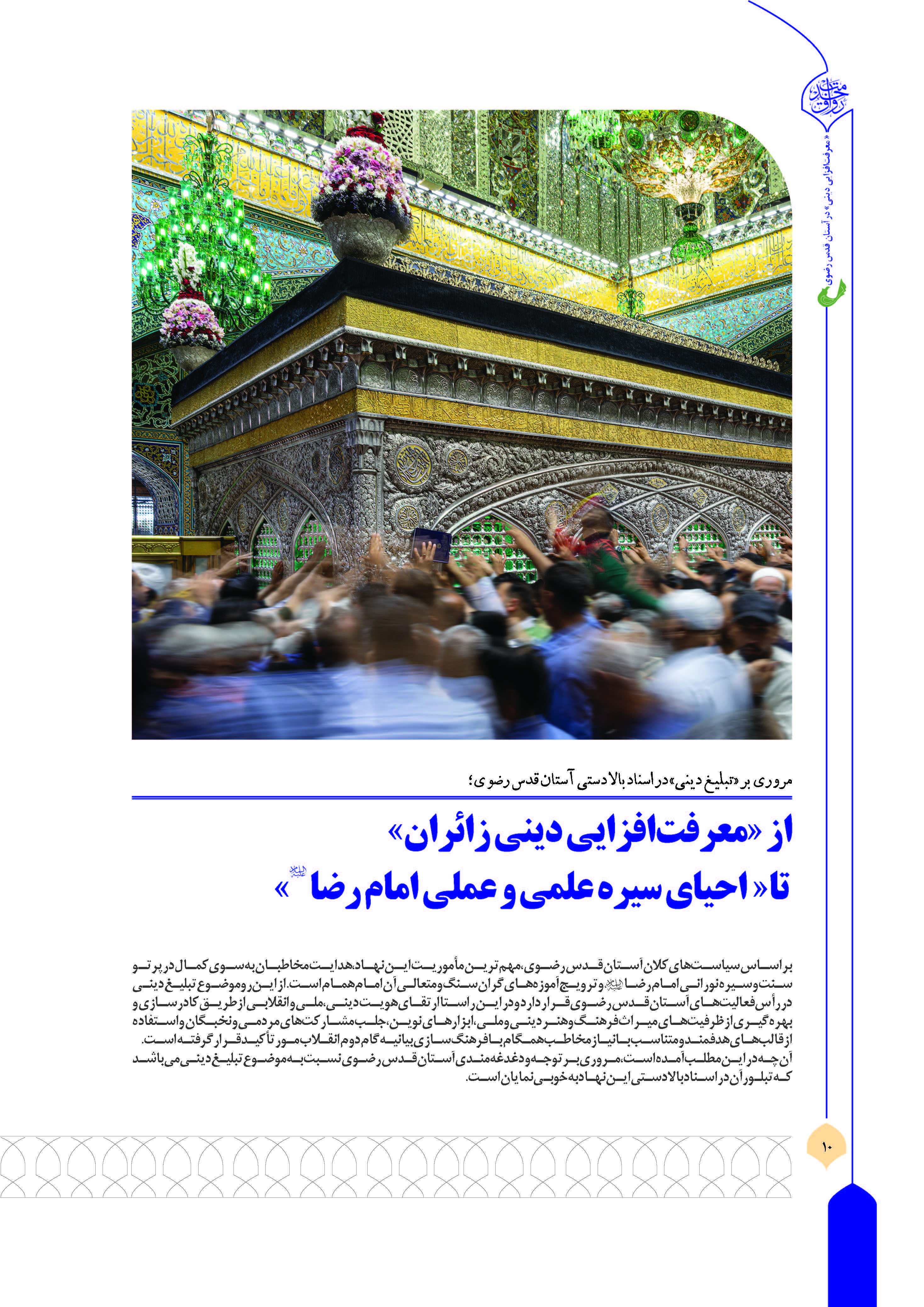
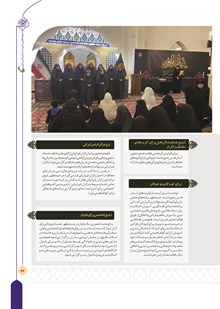
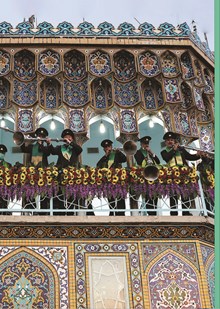
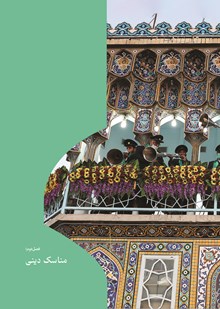
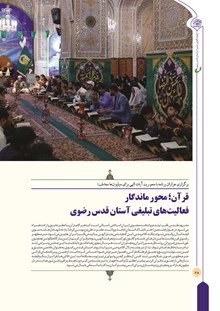
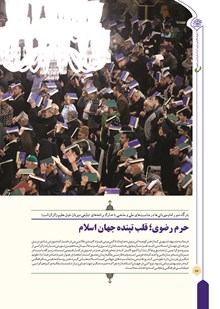
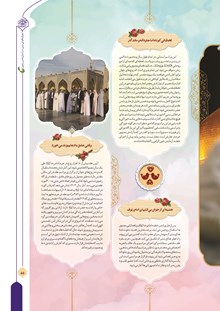
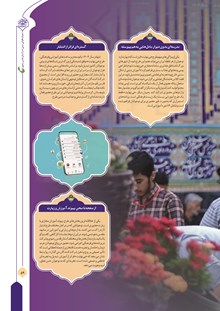
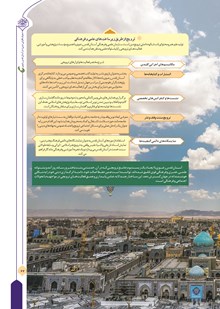
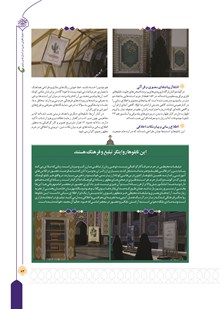
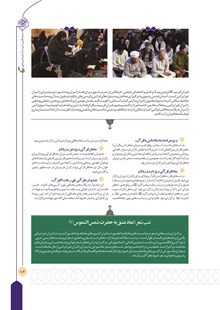
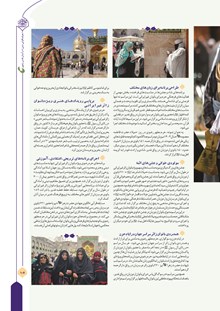
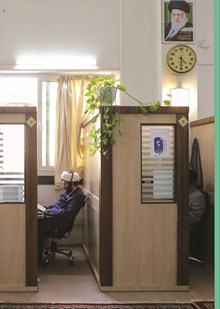
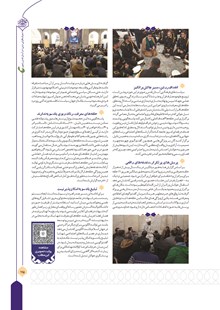
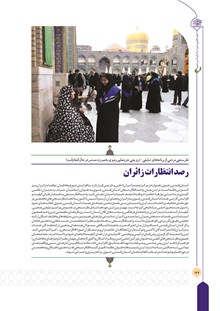
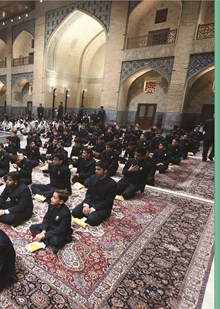
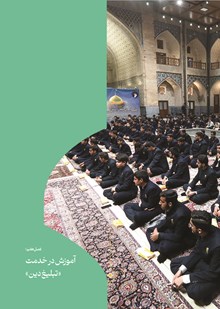
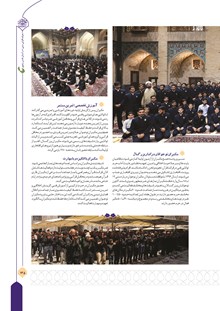
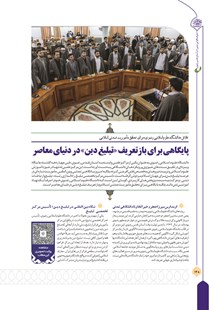
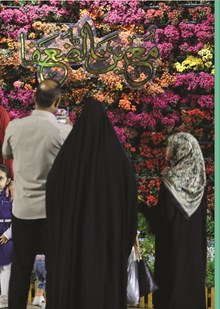
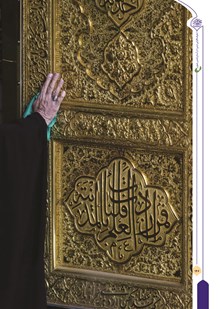
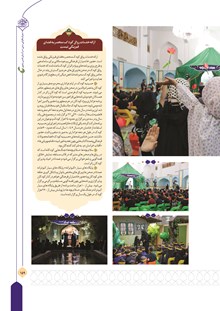
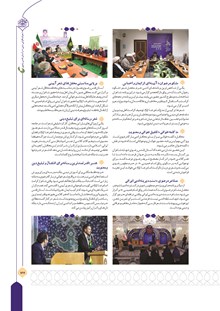
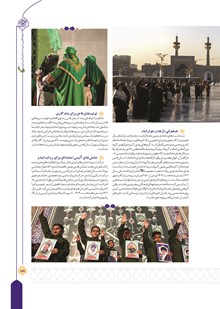
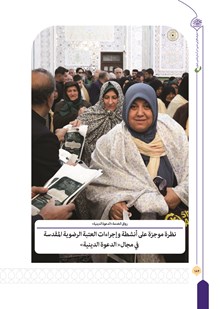
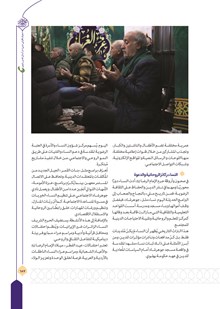
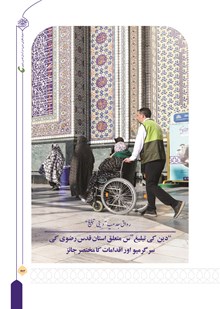
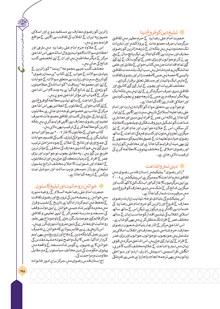
Quran Center oversees daily Quran recitation after dawn prayers, as well as recitation sessions featuring renowned national and intenational reciters. Children’s and teenagers’ Quranic gatherings ensure the transmission of religious tradition to future generations. Spiritual retreats (i‘tikaf) are among the most magnificent collective worship events, held during the white days of Rajab and the last ten days of Ramadan in the historic Goharshad Mosque, attracting thousands from across the country. The multi-day retreat offers solitude with God, self-reflection, and renewal of spiritual commitments. Online registration and high participation reflect its importance in contemporary spiritual life. The shrine also hosts rituals rooted in ancient tradition, such as Naqqareh-zani (ceremonial drumming), performed at dawn and sunset on joyous occasions and suspended during mouning periods. Wedding ceremonies at the shrine are another cherished tradition, with the Dar al-Hujjah Hall now dedicated to this purpose, symbolizing the union of earthly love with heavenly blessing.
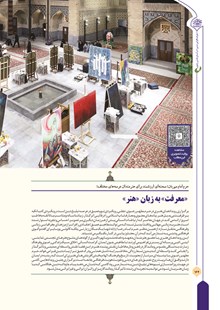
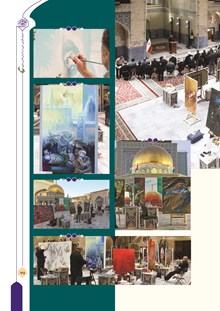
Art as a Medium of Religious Outreach
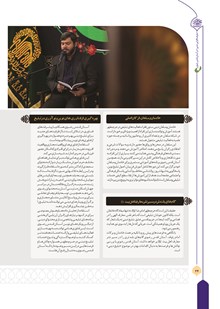
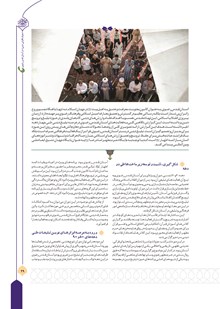
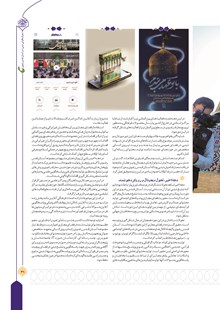
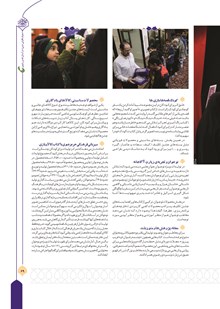
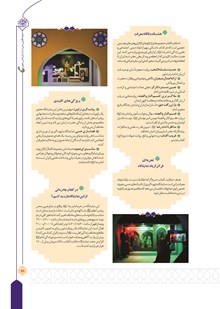
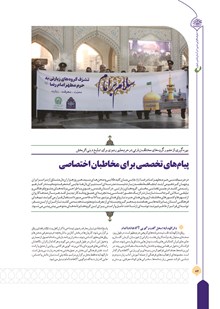
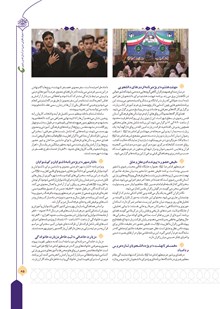
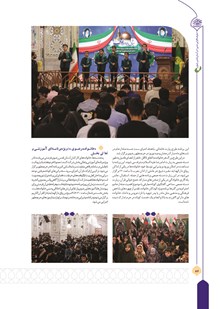
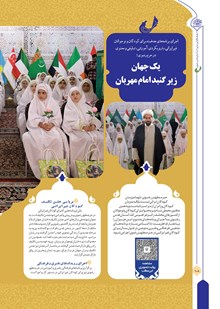
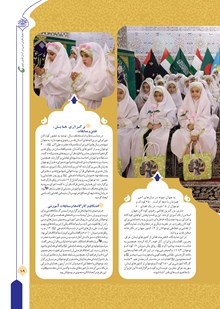
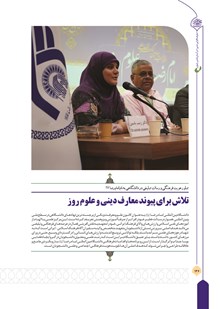
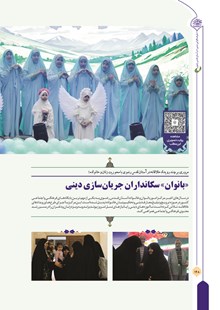
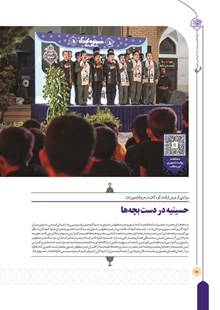
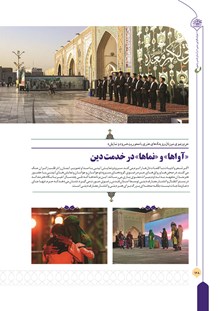
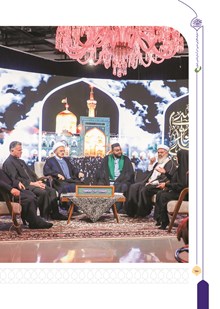
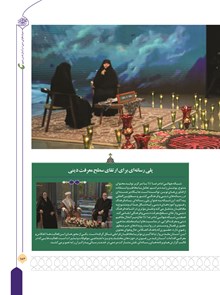
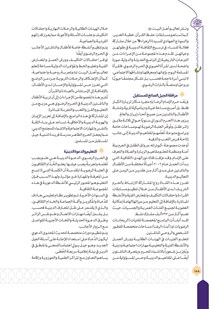
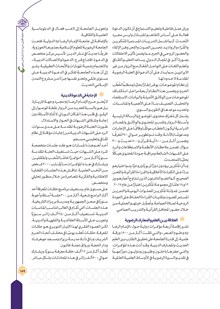
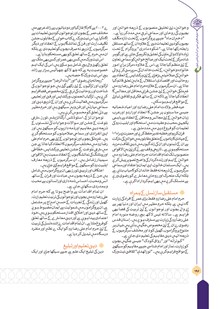
“I have come… I have come, O King, grant me refuge…”—this poem and melody have touched countless hearts, binding them to the spiritual atmosphere of the Razavi shrine. This is the power of art: conveying messages in a beautiful, accessible language that could not be communicated as effectively otherwise. Art enhances the impact and durability of transmitting religious concepts. It is one of the best tools for promoting Razavi culture, and rational engagement with religion becomes enduring when expressed through artistic means. Recognizing this, Astan Qods has increasingly embraced artistic tools in religious outreach, especially within the shrine. If poetry softens hearts, choral performances and ritual theater engrave faith into the souls of pilgrims through sound and imagery. In the courtyards and halls, youth choirs and ritual performances by committed artists help sustain spiritual heritage. During major occasions such as the Ten Days of Dignity, the shrine hosts prominent choral groups from across Iran and even intenationally. Groups such as Noor al-Huda, Entezar Intenational Group, Osveh Group, and Wadi‘at al-Mustafa perform in various shrine locations including the Imam Khomeini Hall, Quran Center, MaqsoorahIwan, and Dar al-Hujjah Hall.
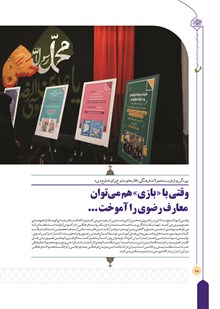
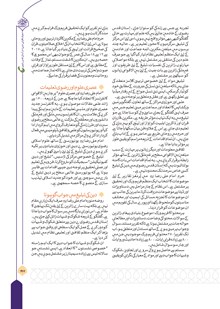
Alongside choral performances, ritual theater forms another artistic dimension. Productions such as The Etenal Ode, performed during the Ten Days of Dignity, combined poetry, movement, and religious narrative. The Visual Poetic Theater of Razavi presented in the Imam Khomeini Hall offered a unique blend of poetry, imagery, and performance, expressing sacred narratives through multimedia art. The shrine, as a cultural, spiritual, and social center, influences the daily lives of thousands of pilgrims and residents. Its rituals and ceremonies, each with deep meaning and history, collectively present a comprehensive picture of Shi‘a beliefs, rich heritage, and cultural identity. Each ritual is not merely a religious act but a profound spiritual experience that strengthens the pilgrim’s bond with the eighth Imam and supports their spiritual jouney. This organized set of activities makes the shrine a beating heart of the Shi‘a world.
Media and the Expansion of Religious Experience
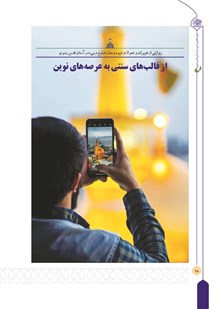
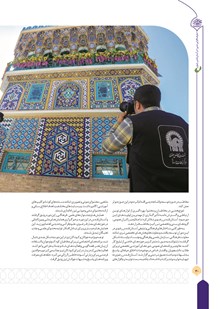
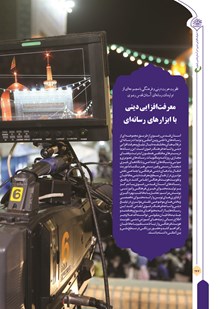
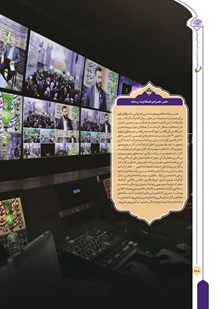
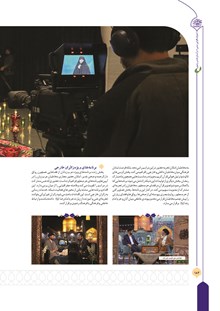
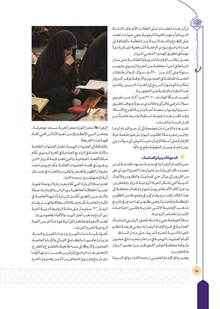
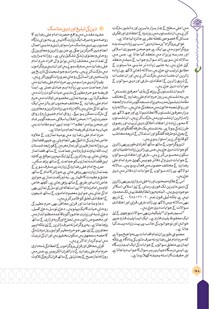
In today’s world, media go far beyond simple information tools; they shape beliefs, attitudes, and cultural and religious experiences. Media can transform abstract religious concepts into tangible experiences. Through sound, imagery, and narrative, they accompany the audience on a mental and
Art as a Medium of Religious Outreach
“I have come… I have come, O King, grant me refuge…”—this poem and melody have touched countless hearts, binding them to the spiritual atmosphere of the Razavi shrine. This is the power of art: conveying messages in a beautiful, accessible language that could not be communicated as effectively otherwise. Art enhances the impact and durability of transmitting religious concepts. It is one of the best tools for promoting Razavi culture, and rational engagement with religion becomes enduring when expressed through artistic means. Recognizing this, Astan Qods has increasingly embraced artistic tools in religious outreach, especially within the shrine. If poetry softens hearts, choral performances and ritual theater engrave faith into the souls of pilgrims through sound and imagery. In the courtyards and halls, youth choirs and ritual performances by committed artists help sustain spiritual heritage. During major occasions such as the Ten Days of Dignity, the shrine hosts prominent choral groups from across Iran and even intenationally. Groups such as Noor al-Huda, Entezar Intenational Group, Osveh Group, and Wadi‘at al-Mustafa perform in various shrine locations including the Imam Khomeini Hall, Quran Center, MaqsoorahIwan, and Dar al-Hujjah Hall.
Alongside choral performances, ritual theater forms another artistic dimension. Productions such as The Etenal Ode, performed during the Ten Days of Dignity, combined poetry, movement, and religious narrative. The Visual Poetic Theater of Razavi presented in the Imam Khomeini Hall offered a unique blend of poetry, imagery, and performance, expressing sacred narratives through multimedia art. The shrine, as a cultural, spiritual, and social center, influences the daily lives of thousands of pilgrims and residents. Its rituals and ceremonies, each with deep meaning and history, collectively present a comprehensive picture of Shi‘a beliefs, rich heritage, and cultural identity. Each ritual is not merely a religious act but a profound spiritual experience that strengthens the pilgrim’s bond with the eighth Imam and supports their spiritual jouney. This organized set of activities makes the shrine a beating heart of the Shi‘a world.
Media and the Expansion of Religious Experience
In today’s world, media go far beyond simple information tools; they shape beliefs, attitudes, and cultural and religious experiences. Media can transform abstract religious concepts into tangible experiences. Through sound, imagery, and narrative, they accompany the audience on a mental and
10 صفحه آخر